


You're looking at a sushi menu while someone suggests another specialty roll for the table. The salmon sounds good. So do the crispy shrimp, spicy mayo, and extra sauce. By the time the plates arrive, you've ordered plenty of rice and toppings, but less fish than you expected.
The menu looks simple, but the rice is where calories hide. A thick layer around every roll adds up, especially when you're sharing and losing track of your portion. Creamy sauces, tempura fillings, and crunchy toppings add more. Plain fish usually isn't the part that needs changing.
The healthiest sushi choices depend on what you want from dinner. Sashimi suits a low-carb meal. Salmon nigiri gives you protein with some rice. A cucumber roll makes a lighter side, but it won't replace a protein-rich main.
Choose your protein first, decide how much rice you want, then check the sauces. That's faster than trying to judge a roll by its name.
You don't need to avoid rice or turn dinner into a calculation exercise. You need an order that matches your appetite and your goal. Use the picks below to spot a suitable dish, make a clear swap, and avoid paying for extras you didn't really want.
Table of Contents
- 1. Sashimi
- 2. Salmon Nigiri
- 3. Tekka Maki (Tuna Roll)
- 4. Kappa Maki (Cucumber Roll)
- 5. Naruto Maki (Cucumber-Wrapped Roll)
- 6. Chirashi Bowl
- 7. Edamame
- 8. Inari Sushi
- How the Top Sushi Picks Compare by Goal, Carbs, Protein, and Portion Control
- Turn Your Next Sushi Night Into a Smarter Order
1. Sashimi
Best for low-carb eating and a protein-focused meal.
Sashimi is sliced fish or seafood served without rice. Strictly speaking, it isn't sushi, but it's a useful choice on the same menu when you want protein without a rice base. You can also see the fish portion clearly instead of guessing what's inside a tightly packed roll.
A salmon sashimi order works well when you want a straightforward dinner. An assorted platter, often called sashimi moriawase, gives you variety, but check which species the restaurant includes rather than accepting an unspecified assortment.
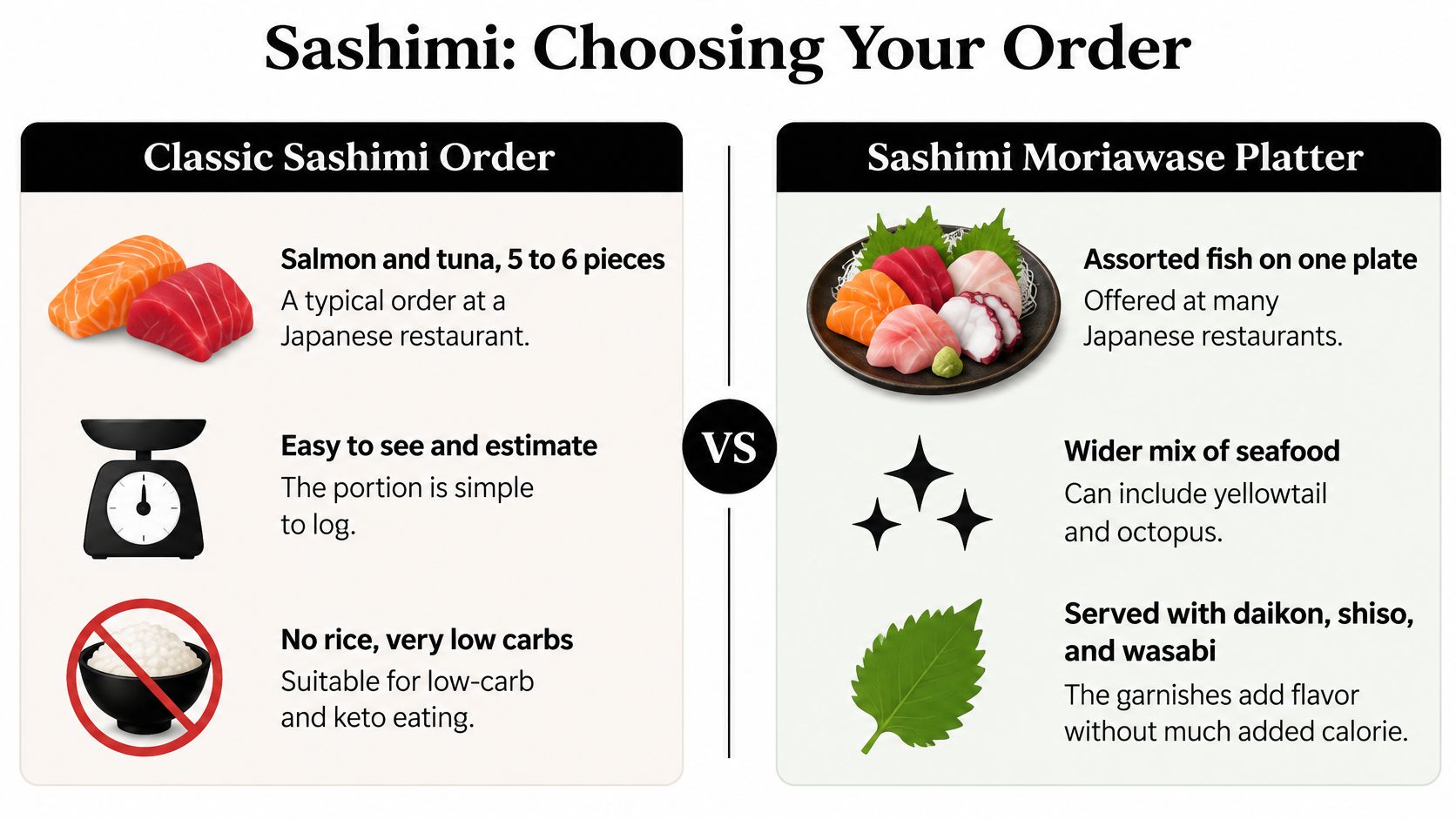
Make the Side Dish Count
Swap a sauce-heavy specialty roll for salmon sashimi with cucumber or a plain vegetable side. Add edamame if you want more substance without relying on rice. Use soy sauce lightly, and don't assume the decorative daikon garnish amounts to a full vegetable serving.
- Scan the menu: Find the sashimi section and check for plain fish rather than seared preparations finished with mayonnaise or sweet sauce.
- Make the swap: Replace the fried roll, not just its sauce. Keep the vegetables and add rice separately only if you want it.
Raw fish isn't suitable for everyone. The FDA/EPA technical guidance on eating fish advises pregnant people to avoid raw fish and says children should receive fish cooked to safe temperatures. Choose fully cooked shrimp or cooked fish with vegetables when raw-fish safety matters.
2. Salmon Nigiri
Best for protein with a manageable rice portion.
Choose salmon nigiri when you want actual sushi, including the rice, without the complicated fillings of a specialty roll. Each piece has a slice of salmon over a hand-formed mound of seasoned rice. The ingredients are visible, which makes portion decisions easier.
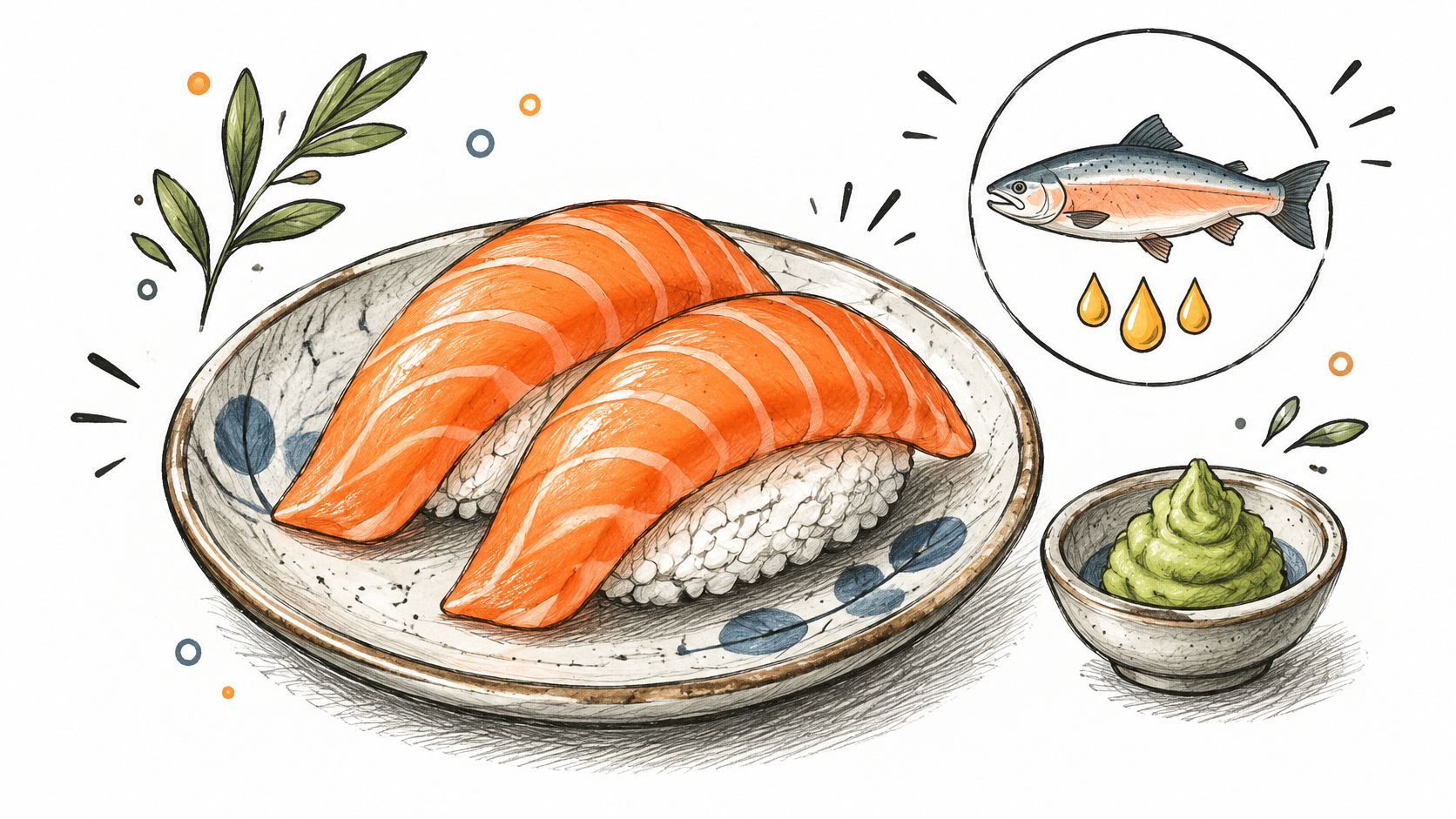
Salmon also makes a sensible default for regular seafood eaters. The FDA's advice about eating fish lists salmon among lower-mercury choices. That's a separate benefit from calorie control: a fish can suit your macros without being the best species to choose repeatedly.
Keep the Salmon, Simplify the Extras
Say you're choosing between a salmon nigiri set and a salmon roll with cream cheese, spicy mayo, and crispy onions. Pick the nigiri for a simpler protein-and-rice meal. Ask for it plain, since some restaurants finish salmon with a creamy topping or sweet glaze.
For less rice, combine salmon nigiri with sashimi rather than ordering more nigiri automatically. If you need cooked fish, request salmon cooked through rather than merely torched on the surface.
Your menu-scanning move: Look under nigiri, then read the preparation description. Plain salmon is the target, not a loaded version with the same fish underneath.
Your ordering swap: Replace the creamy salmon specialty roll with plain salmon nigiri and cucumber salad with dressing on the side. You keep the fish and rice while removing the extras that make the meal harder to estimate.
3. Tekka Maki (Tuna Roll)
Best for a simple, protein-containing roll without creamy fillings.
A plain tuna roll and a spicy tuna roll aren't interchangeable. Tekka maki usually contains tuna, rice, and nori. Spicy tuna often includes a mayonnaise-based mixture, so the word tuna alone doesn't tell you how the roll was prepared.
Tekka maki is useful when you want the familiar roll format without fried fillings or rich toppings. It still contains rice, and the amount of fish varies. Treat it as a simpler roll choice, not as the equivalent of a sashimi plate.
Ask Which Tuna You're Ordering
The FDA's mercury advice for fish and shellfish distinguishes between tuna types and identifies bigeye tuna among fish to avoid under its mercury guidance. Don't apply advice about canned light tuna to an unspecified raw tuna roll.
Practical rule: If the restaurant can't identify the tuna, choose clearly labeled salmon or cooked shrimp instead, especially when sushi is a regular meal.
For a working lunch, pair plain tekka maki with edamame and cucumber rather than adding another rice-heavy roll. You get the roll you wanted, plus a side that contributes protein and fiber.
- Scan the menu: Look for tekka maki or plain tuna roll. Check whether spicy sauce, tempura flakes, or a topping comes standard.
- Make the swap: Replace spicy tuna with plain tuna, or switch to salmon if the tuna species is unclear.
If you're sharing, put your portion on your own plate. Grazing from a communal platter makes even a simple order difficult to track.
4. Kappa Maki (Cucumber Roll)
Best for a lighter vegetable side, not a high-protein main.
Kappa maki gives you cucumber, nori, and sushi rice without fish or rich fillings. It's crisp, mild, and useful when you want a simple roll alongside a more substantial protein source. The catch is straightforward: most of its energy comes from rice, not cucumber.
A cucumber roll isn't automatically low-carb because it contains vegetables. Nor does it provide enough protein to stand in for fish, tofu, or edamame. Order it for the role it serves well: a lighter alternative to a fried or mayonnaise-filled roll.
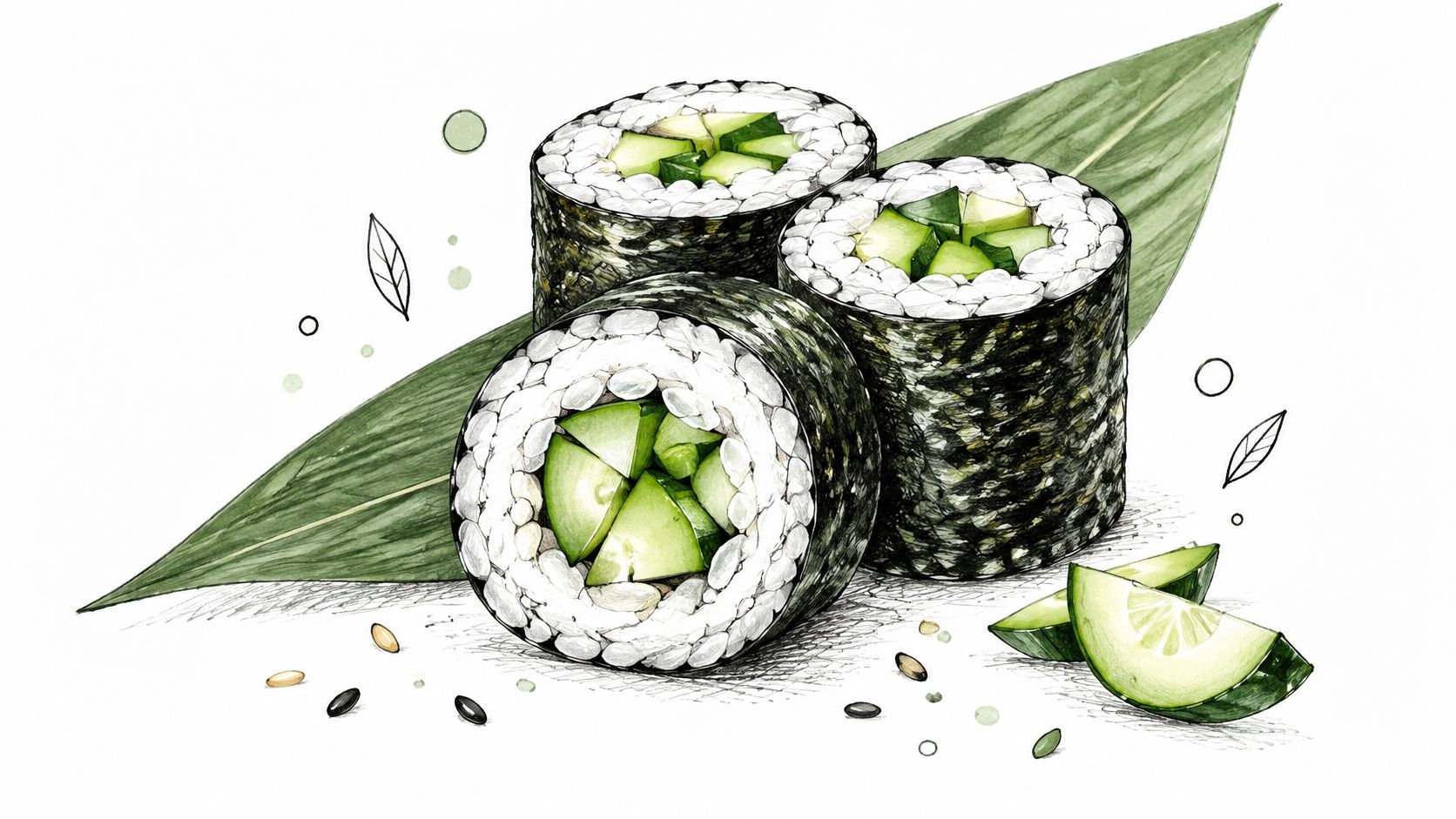
Build a Vegetarian Meal Around It
For a plant-based lunch, pair kappa maki with plain edamame. If you want avocado too, keep the portion deliberate rather than assuming every vegetable filling is equally light. Our guide to calories in avocado explains how that addition changes a meal's energy content.
Brown rice is an option for added fiber if the restaurant offers it. It doesn't remove the need to consider the amount of rice.
Scan for: Cucumber maki with no creamy topping, fried coating, or sweet drizzle. Check sauces separately if you're ordering vegan.
Swap to order: Replace a vegetable tempura roll with kappa maki and edamame. You trade the fried filling for fresh cucumber while giving the meal a more useful protein source.
Keep the soy sauce modest. A simple roll doesn't need to be soaked to taste good.
5. Naruto Maki (Cucumber-Wrapped Roll)
Best for low-carb eating when you still want a roll.
The important question isn't whether a menu says naruto. It's whether the restaurant really replaces the rice with cucumber. Names vary, so read the filling and wrapper description before ordering.
A cucumber-wrapped roll can deliver fish and vegetables without the usual rice layer. That makes it useful when you prefer a roll to sashimi but want to reduce carbohydrates. It won't necessarily be light if the filling includes cream cheese, spicy mayo, or fried seafood.
Confirm What's Inside the Wrapper
Look for a description such as salmon and vegetables wrapped in cucumber, with no rice. If the menu is unclear, ask whether the roll is completely rice-free and whether sauce is mixed into the filling.
- Scan the menu: Search the specialty-roll descriptions for cucumber-wrapped or rice-free options. Don't assume a fresh-sounding name means either.
- Make the swap: Replace a rice-based specialty roll with cucumber-wrapped salmon and vegetables, without mayonnaise or tempura.
This preparation video shows the cucumber-wrapped format.
For example, order a cucumber-wrapped salmon roll with edamame when you want a filling dinner without a rice base. If the roll is mostly vegetables with only a small amount of fish, add a plain protein side rather than assuming the wrapper change created a high-protein meal.
A cucumber wrapper doesn't change raw-fish safety. Request fully cooked seafood when that's the appropriate choice for you.
6. Chirashi Bowl
Best for a customizable protein-and-carb meal.
A chirashi bowl puts assorted fish and other toppings over sushi rice. It's a useful choice when you want a complete meal rather than several separate rolls. You can see the toppings, but the rice beneath them still deserves attention.
The bowl's surface can be misleading. A generous-looking layer of fish may cover a deep rice base, while egg, avocado, dressing, and garnishes add their own contributions. Judge the whole bowl, not just the colorful top.
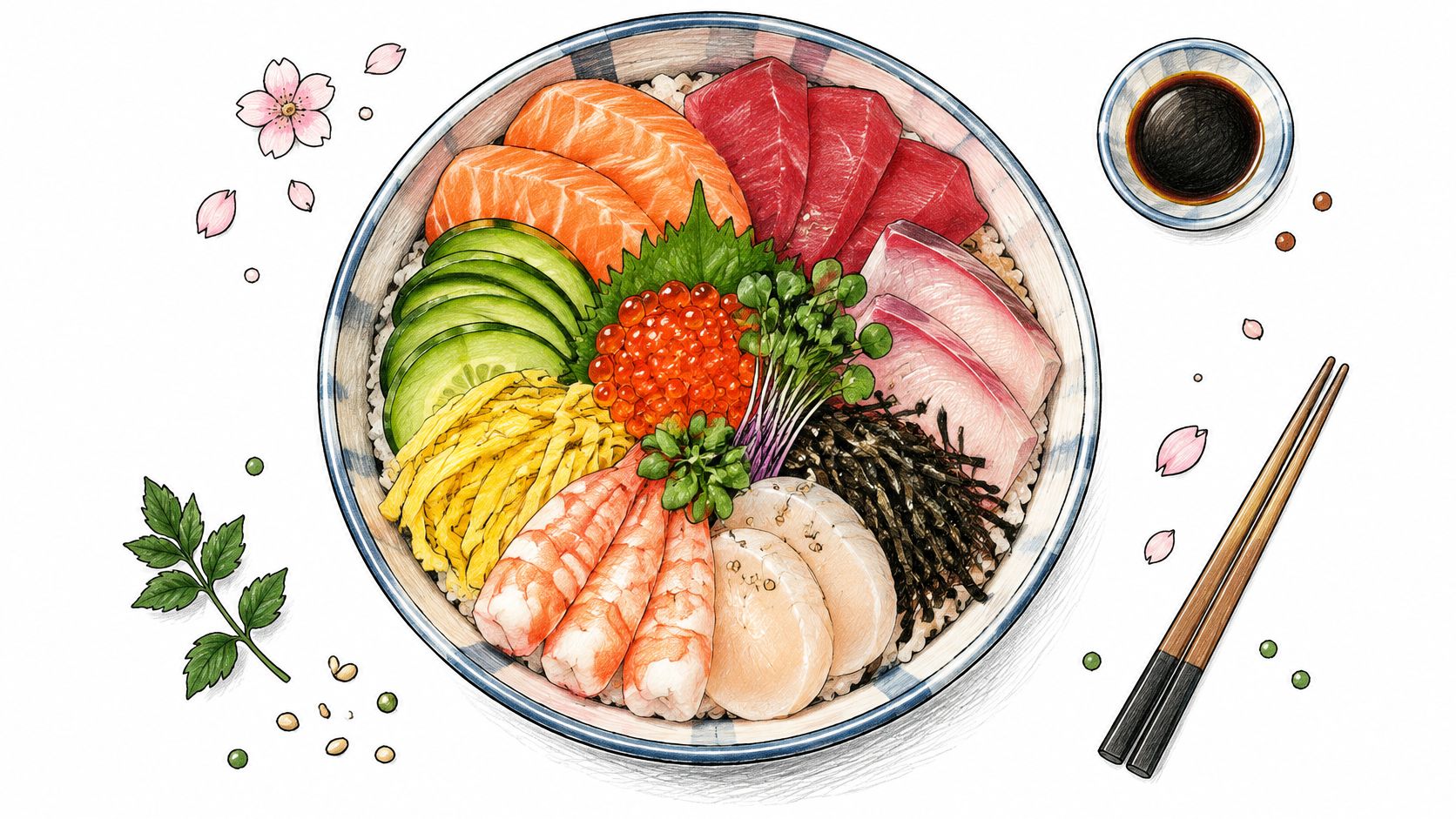
Adjust the Base Before Adding Extras
Ask for less rice and extra plain vegetables when you want a lighter bowl. Keep more rice when it fits your appetite and training needs. Rice isn't a mistake; an unexamined portion is harder to plan around.
For a broader look at rice portions, see our guide to jasmine rice calories. Don't use plain jasmine rice as an exact substitute for seasoned sushi rice when logging.
Ask for sauce on the side and a smaller rice base before the bowl is assembled. Those changes are easier than separating everything afterward.
Menu-scanning move: Read the topping list for fish species, mayonnaise mixtures, fried garnishes, and sweet sauces. Check whether the restaurant offers a cooked-seafood bowl if needed.
Ordering swap: Choose chirashi with a reduced rice base instead of a large specialty-roll combination. For example, salmon, cooked shrimp, cucumber, and a modest rice base give you a clear mix of protein, vegetables, and carbohydrates without a creamy topping.
7. Edamame
Best for adding plant protein and fiber to a lighter meal.
Edamame isn't sushi, but it earns its place among the healthiest sushi choices because it solves a common ordering problem. A cucumber roll or vegetable plate can leave you short on protein. Plain steamed soybeans help round out that meal without another layer of sushi rice.
Eat the beans and leave the pods. For tracking, distinguish between the amount served in pods and the edible beans rather than treating the entire bowl as food you consumed.
Choose the Plain Preparation
Order steamed edamame with light salt. Garlic butter, chili oil, and sweet glazes turn it into a different dish, so check the appetizer description instead of assuming all edamame preparations are alike.
- Scan the menu: Choose plain steamed edamame over fried starters or heavily dressed soybean dishes.
- Make the swap: Replace the automatic fried appetizer with edamame, then decide whether you still want soup.
Soup isn't a sodium-free extra. A USDA-based menu analysis from MenuScan estimates about 1,140 mg of sodium in a cup of miso soup, so don't add it automatically when you're already using soy sauce.
For a vegetarian dinner, pair edamame with kappa maki and plain vegetables. For a fish-based meal, use it alongside nigiri instead of ordering another roll just to feel satisfied.
Our guide to macros for weight loss explains how protein, carbohydrates, and fat fit together. Edamame contributes more than protein alone, so log it as the whole food it is.
8. Inari Sushi
Best for a portion-controlled plant-based rice option.
Inari sushi contains seasoned sushi rice inside a sweet-simmered tofu pouch. The pouch is made from fried tofu, so inari isn't automatically a low-fat option. It also isn't a high-protein substitute for fish just because it contains soy.
Choose it because you enjoy its sweet-savory flavor and want a plant-based sushi option. Keep it in the rice-containing part of your meal rather than counting it as your main protein source. Its simple appearance can hide both the rice filling and the pouch's seasoning.
Give It the Right Role on Your Plate
Say you want a vegetarian sushi lunch but don't want only cucumber rolls. Order inari with edamame and a vegetable side. That combination gives the tofu pouch a supporting role while the soybeans contribute more useful protein and fiber.
If you eat fish, pair inari with plain fish rather than another rice-heavy roll. You don't have to eliminate it to make the rest of the order more balanced.
Menu-scanning move: Look for inari under individual sushi pieces or vegetarian options. Ask whether the pouch seasoning or broth contains fish ingredients if you're eating vegan.
Ordering swap: Replace a fried vegetable specialty roll with a modest inari portion, then add edamame instead of more rice.
Don't assume every pouch is filled equally. When estimating your meal, account for the rice, fried tofu, and sweet seasoning separately. If you're limiting added sugar, ask how the pouch is prepared; removing a sauce drizzle won't remove sweetness already absorbed into the tofu.
How the Top Sushi Picks Compare by Goal, Carbs, Protein, and Portion Control
| Item | Best For | Carb Level | Protein Level | Portion Control |
|---|---|---|---|---|
| Sashimi | Low-carb, high-protein eating | Very low | High | Easy to see and estimate |
| Salmon Nigiri | A balance of protein and rice | Moderate | High | Easy to count piece by piece |
| Tekka Maki (Tuna Roll) | Lean protein in a simple roll | Moderate | High | Split or order half a roll |
| Kappa Maki (Cucumber Roll) | A light vegetarian option | Moderate | Low | Usually served in countable pieces |
| Naruto Maki (Cucumber-Wrapped Roll) | Low-carb roll-style eating | Very low | Moderate to high, depending on filling | Ask for a set number of pieces |
| Chirashi Bowl | A mix of fish, vegetables, and rice | Moderate to high | High | Single bowl is visible; rice varies |
| Edamame | Plant-based protein and fiber | Low to moderate | Moderate | Estimate by bowl or cup |
| Inari Sushi | A small plant-based sushi option | Moderate to high | Low to moderate | Often served as two pieces |
Turn Your Next Sushi Night Into a Smarter Order
Start with your goal, not the restaurant's most elaborate roll. For a protein-focused meal, choose plain fish and decide how much rice you want alongside it. For low-carb eating, choose sashimi or a confirmed rice-free cucumber-wrapped roll. For a lighter plant-based order, combine cucumber maki with edamame rather than relying on vegetable rolls alone.
Then make the change that matters most for that dish. Ask for plain salmon nigiri instead of the creamy version. Reduce the rice base in chirashi. Replace tempura filling with cooked, unfried seafood. These are clear requests a restaurant can act on without rebuilding your entire dinner.
Keep Calories, Safety, and Mercury Separate
A lower-calorie dish isn't automatically the safest choice for you. Raw fish requires a different decision from rice portions, and cooking doesn't solve mercury exposure. The FDA's guidance on mercury in food explains that cooking doesn't remove mercury because it's distributed throughout fish tissue.
Rotate seafood species instead of ordering the same tuna every visit. When cooked fish is the right call, order it cooked through and still check for breading, mayonnaise, and sweet sauces. Food safety and calorie control belong in the same ordering decision, but they answer different questions.
Keep the part of sushi night you enjoy most. Change the rice portion, filling, or topping that matters least to you.
Before you order, photograph the menu with the Calorie Genie menu scanner. It ranks every dish against your goal and the calories you have left that day, and it handles multi-page menus. You can sort by best for you, healthiest, or lowest calorie, then review the estimate and adjust any ingredient or portion before saving.
If you're sharing, serve your portion onto your plate so you can see what you're eating. Include sauces, sides, and drinks in your estimate rather than focusing only on the fish. Restaurant portions vary, so treat the numbers as a helpful guide, not medical advice.
The healthiest sushi order doesn't require a joyless dinner or a perfect calculation. Pick a protein source, choose your rice portion deliberately, and keep rich extras optional. That gives you a meal that fits your priorities and still feels like sushi night.
Calorie Genie AI offers photo-based nutrition estimates and restaurant-menu scanning to help you compare sushi dishes with your calorie and macro goals. Visit Calorie Genie AI to download the app before your next sushi night.